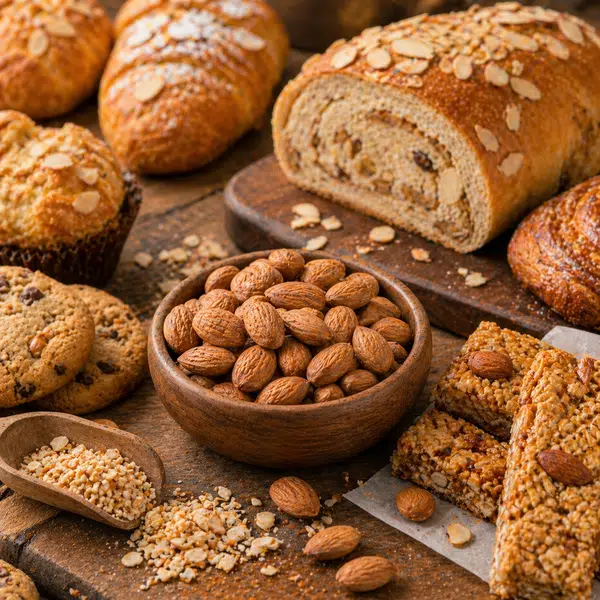
Apricot kernels can sit in several value chains at once, from premium retail and specialty ingredient trade to industrial bakery and confectionery use. In bakery, the product is evaluated mainly for its functional role in the finished application. That means buyers usually need a much clearer conversation than simply asking for a price per kilogram. They need to define the kernel type, intended bakery use, target market, acceptable appearance, processing form, pack style and shipment rhythm before the right commercial offer can be structured.
When discussing industrial applications in bakery, the first question is application fit. A manufacturer using apricot kernels in inclusions, toppings, fillings, cereal bars, cookies, bakery mixes or specialty dough systems may care about different parameters than a retail buyer or even a confectionery processor. Cutting behavior, piece stability, breakage tolerance, visual impact after baking or topping, formulation compatibility and repeatable industrial handling often matter more than simple pre-shipment appearance.
Commercially, successful apricot kernel programs for bakery are built around timing and specification discipline. Crop windows, kernel type, grading, packing format, analytical expectations, container planning, certification profile and repeated shipment performance all affect final competitiveness. A supplier conversation becomes much smoother when buyers share annual demand estimates, intended application, required cut or whole form, target positioning, pack format and whether the requirement is conventional or organic.
This article helps bakery manufacturers, importers and ingredient teams compare application uses, technical expectations, industrial formats and commercial planning factors before starting a program. That allows apricot kernels to be evaluated as a serious bakery ingredient rather than as a loosely defined raw commodity.