Nature first, trade ready

Sustainability shaped by orchards, processing discipline and long-term supply logic

At Atlas Global Trading Co., sustainability is not presented as a decorative marketing theme. It is treated as a practical business framework that influences supplier selection, organic sourcing, post-harvest handling, packing decisions, product continuity and the way dried fruit programs are built for international buyers.

For dried fruits, sustainability has to be commercially real to matter. It should support product integrity, stable sourcing, traceability, efficient use of agricultural output and long-term exporter-buyer relationships. That is the perspective behind this page.

Organic & ConventionalDual sourcing approach
Export ReadyB2B-focused execution
Turkey BasedMalatya-centered network
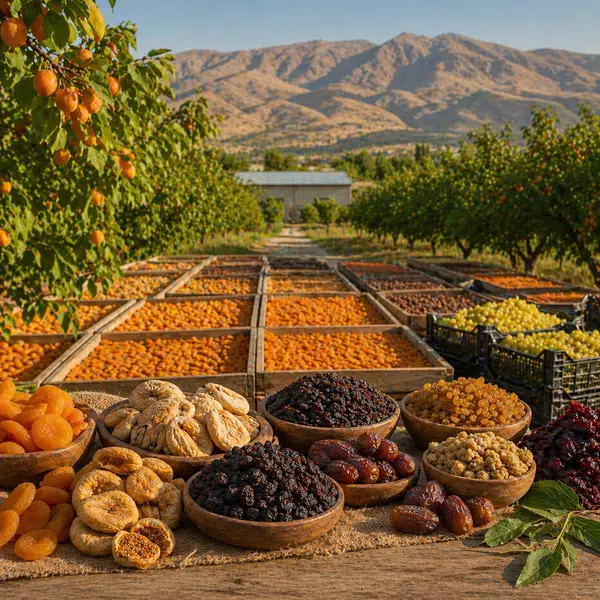
Sustainability shaped by orchards, processing discipline and long-term supply logic

What sustainability means in dried fruit export

In dried fruit trade, sustainability is not limited to environmental language. It includes how orchards are managed, how fruit is dried and handled, how product loss is reduced, how suppliers are selected, how packaging is optimized for shipment and how supply remains dependable across seasons.

Responsible supplier selection

Atlas is positioned around growers, processors and exporters who demonstrate consistency, professional handling standards and a long-term approach to agricultural trade. Responsible supplier selection is one of the clearest practical foundations of sustainability in export supply chains.

Respect for agricultural integrity

Dried fruits begin with orchard quality. Sustainable positioning therefore includes respect for cultivation practices, harvest timing, drying methods, traceability and careful handling that protects the value of the crop instead of treating it as a generic commodity.

Efficient commercial execution

Sustainability also depends on reducing avoidable inefficiencies. Better packing choices, realistic quality alignment, clearer order planning and proper shipment preparation can reduce waste, claims, rejected goods and unnecessary repeat handling.

Organic sourcing as a serious supply model

Organic supply is a major part of the Atlas identity. It is not treated as a niche add-on, but as an organized commercial program for buyers who need certified sourcing, stronger traceability expectations and a product story linked to lower-input agricultural practice.

Why organic matters commercially

Organic dried fruit programs are relevant not only for health-oriented retail, but also for premium private label, specialty distribution, ingredient applications and buyers whose end customers increasingly evaluate sourcing credibility together with product quality.

  • Supports premium and natural product positioning
  • Strengthens traceability expectations in the supply chain
  • Creates higher-value differentiation for selected markets
  • Can align with long-term buyer sustainability goals

How Atlas frames organic supply

Atlas presents organic products through practical buyer criteria: certification-based sourcing, orchard-linked narrative, quality discipline, clean commercial communication and export structure suitable for real B2B transactions rather than promotional language alone.

  • Certified organic program orientation
  • Clear distinction from conventional supply routes
  • Commercial usability for importers and brands
  • Compatibility with bulk, industrial and selected retail formats

Why sustainability matters to buyers

Many buyers now expect environmental and sourcing statements from food exporters, but they also evaluate whether the supplier's message is commercially credible. For Atlas, sustainability is valuable because it directly connects with quality, continuity and supply confidence.

Better supply continuity

Businesses built on disciplined supplier relationships and careful agricultural sourcing are generally better positioned for repeat trade and long-term programs than businesses driven only by short-term spot transactions.

Stronger product credibility

Buyers want to know that the product story is grounded in actual sourcing practice. A sustainability page should therefore reinforce trust in orchard origin, product care and exporter professionalism.

Commercial relevance

Sustainability becomes useful when it helps explain why a supply chain is more reliable, traceable, efficient and aligned with importer expectations. That is the emphasis throughout the Atlas presentation.

Key sustainability pillars in the Atlas model

The Atlas sustainability approach is built around practical pillars that buyers can understand and evaluate in commercial terms.

1. Long-term agricultural relationships

Working with reliable growers, processors and exporters supports continuity, product understanding and more stable supply conditions over time. In dried fruit trade, this matters as much as any public environmental statement.

2. Traceability-oriented sourcing

Buyers increasingly expect clarity around origin, sourcing route and product identity. Traceability is especially important in organic programs, but it also strengthens confidence in conventional supply.

3. Careful post-harvest handling

Sustainability is weakened when agricultural value is lost after harvest. Responsible drying, sorting, packing and shipment preparation help protect the crop and reduce avoidable waste.

4. Efficient packaging logic

Packing decisions affect transport efficiency, warehouse handling, product protection and waste generation. Atlas leaves room for future pack optimization statements without making inflated claims.

Sustainability and product quality are connected

Buyers often treat sustainability and quality as separate topics, but in dried fruit export they are closely related. Supply chains that respect the orchard, the harvest and the handling process are better placed to deliver usable commercial quality.

Quality outcomes supported by good practice

  • More consistent product presentation from controlled handling
  • Reduced avoidable loss through better sorting and packing discipline
  • Improved suitability for retail, foodservice and industrial use
  • Stronger continuity between sample expectation and shipment discussion

Commercial outcomes supported by good practice

  • Clearer communication with importers and private label buyers
  • Better alignment between product capability and market expectation
  • More durable supplier-buyer relationships
  • Lower risk of credibility loss caused by exaggerated claims

Responsible packaging mindset

Packaging decisions in dried fruit export should protect product quality while supporting logistics efficiency and reducing avoidable waste. Atlas treats this as a practical area of continuous improvement rather than an area for generic promises.

Product protection

Appropriate packing reduces damage risk during transit, protects food quality and helps preserve the value created at orchard and processing level.

Shipment efficiency

Packaging format affects palletization, container loading, warehouse movement and downstream handling. Efficient formats can improve transport practicality and reduce unnecessary logistics loss.

Retail and industrial fit

Sustainability in packaging also means choosing the right format for the job. Industrial buyers, repackers and retail projects usually require different packaging logic, and this should be reflected in the supply discussion.

Malatya and the wider Turkish sourcing base

Atlas has a strong operational focus on Malatya together with the broader Turkish supply network. This matters because sustainability is not abstract; it is connected to real growing regions, local product knowledge and regional specialization.

Malatya

Central to the Atlas story for apricots, kernels and mulberries, Malatya represents orchard identity, drying tradition and strong category specialization.

Aegean supply base

The wider western Turkish sourcing network supports figs and raisins and broadens the portfolio while keeping a consistent country-of-origin logic.

Regional specialization

A sustainability message becomes stronger when it respects the natural product strengths of each region instead of flattening all supply into one generic origin claim.

What Atlas does not claim

Buyers are increasingly skeptical of vague sustainability language. For that reason, Atlas avoids unsupported superlatives and broad environmental claims that are not tied to real sourcing or operational practice.

We avoid generic green language

Instead of making abstract claims, Atlas focuses on areas that can be discussed credibly: supplier relationships, organic supply readiness, post-harvest care, traceability, packaging logic and long-term sourcing continuity.

We focus on commercially useful trust signals

Importers, distributors, brands and industrial buyers usually trust disciplined, realistic communication more than broad promises. The Atlas sustainability narrative is therefore designed to support confidence without overstatement.

How sustainability supports sales and brand value

A well-structured sustainability page can strengthen conversion when it is relevant to procurement decisions. Atlas uses this page to show that its sourcing philosophy is not separate from trade execution, but part of how quality and continuity are maintained.

More credible exporter positioning

Buyers increasingly compare exporters not only on price and product but also on sourcing discipline and long-term reliability. A serious sustainability page helps reinforce that position.

Stronger premium narrative

Organic, natural and region-specific products benefit from a better sustainability story when the message is tied to traceability, product care and grower relationships.

Better fit for modern buyers

Many importers, private label buyers and food brands now need suppliers whose public messaging aligns with their own sourcing standards and end-market expectations.

Sustainability in practice for different buyer types

Different buyers evaluate sustainability in different ways. Atlas is positioned to communicate the subject in language that fits each commercial use case.

Importers

Look for supply continuity, traceability, commercially realistic communication and dependable exporter relationships.

Brands

Need a sustainability story that can support premium positioning without relying on weak or exaggerated claims.

Private label buyers

Often require sourcing narratives and product positioning that can align with retailer expectations and category standards.

Industrial users

Usually focus on long-term availability, product discipline and reduced inconsistency across recurring supply.

Looking for an organic or sustainability-oriented dried fruit supply partner?

Talk to Atlas about certified organic programs, conventional supply with traceability awareness, packing formats, market requirements and long-term sourcing priorities.

Start Your Inquiry
Quick Contact