For procurement teams
Review origin logic, crop timing, pack format options, commercial planning topics and price risk drivers before entering detailed negotiations.
The Atlas Knowledge Center is designed for importers, distributors, brands, private label teams and industrial users that need more than surface-level product descriptions. It organizes key topics such as applications, grades, seasonality, packaging, certification, logistics, annual planning and commercial risk into a structured library that supports smarter sourcing and clearer supplier conversations.
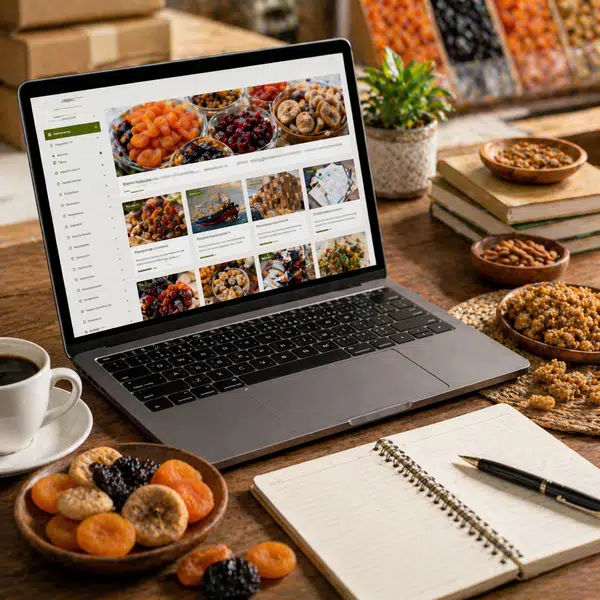
In dried fruit trade, buyers often need quick access to decision-support content before they request a quote, approve a sample program or compare supply options. This page is built to function as a practical knowledge gateway. It helps procurement teams understand product fit, assists technical teams with pre-screening criteria, and supports commercial teams with planning, positioning and risk awareness.
Review origin logic, crop timing, pack format options, commercial planning topics and price risk drivers before entering detailed negotiations.
Use the library to understand typical specification language, quality expectations, handling requirements and compliance-related discussion points.
Explore use cases, packaging implications, channel fit and portfolio-building ideas across premium, organic, conventional and industrial dried fruit categories.
The library is organized around repeated decision themes that matter across most dried fruit categories. This creates a scalable structure that is easy to expand, easy to search and commercially useful across multiple buyer profiles.
Bakery, confectionery, breakfast, snack, blending and ingredient use cases.
Grades, sizes, appearance, moisture, handling and product profile considerations.
Packaging, container loading, transit planning and storage discussions.
Crop timing, annual programs, private label, documentation and risk awareness.
Rather than publishing random blog-style content, the page follows a repeatable B2B framework. That makes it easier to maintain article quality, improve SEO coverage, support internal linking and gradually deepen each topic without changing the overall site architecture.
Use the filter buttons below to narrow the library by fruit type. Each article title is written to match a real commercial or technical topic that buyers commonly research during supplier screening, product development, category planning or annual sourcing preparation.
How unsulfured apricots are evaluated for bakery fillings, chopped inclusions, cereal bars, cookies, bread and premium baked snack concepts.
Read articleCommercial and technical guidance on using sun-dried apricots in chocolate, fruit inclusions, coated products and premium confectionery ranges.
Read articleHow buyers assess cut size, texture, moisture and blend performance for granola, cereal, trail mix and healthier snacking programs.
Read articlePack structure, consumer presentation, shelf handling and channel-specific packaging considerations for retail and foodservice formats.
Read articleWhat buyers usually compare when reviewing count, size, moisture, appearance, defect tolerance and natural color variation in organic-style apricots.
Read articleWhy crop timing matters in Malatya-origin supply and how importers plan purchases, stock rotation and seasonal commitments.
Read articleKey differences between bulk container business and label-driven consumer programs in apricot supply planning.
Read articleOverview of the document and compliance conversation around product specifications, origin support, analysis and shipment paperwork.
Read articleHow moisture, temperature discipline, pack integrity and handling practices affect shipment performance and post-arrival condition.
Read articlePractical guidance for repeat-purchase planning, allocation logic, forecast discussions and balancing spot business with program business.
Read articleWhat influences apricot pricing, including crop size, grade mix, processing yield, logistics cost and buyer timing.
Read articleHow prunes are used in bakery recipes, fillings, inclusions and moisture-support applications for commercial production.
Read articleBuying considerations for prune use in chocolate-covered fruit, soft confectionery and value-added snack concepts.
Read articleWhere prunes fit in snacking, cereal and convenience-led formats, with attention to softness, stickiness and pack behavior.
Read articleChannel-focused pack strategies for prune products across bulk, foodservice and retail distribution models.
Read articleHow buyers review prune count, moisture, softness, skin condition, pitting style and size distribution.
Read articleUnderstanding prune crop timing, procurement cycles and the balance between seasonal buying and year-round supply planning.
Read articleCommercial implications of choosing private label finished product versus flexible bulk import and local repacking.
Read articleTypical paperwork and compliance checkpoints buyers consider before finalizing prune supply.
Read articleTransit, carton stability and storage conditions that help preserve prune quality through international distribution.
Read articleHow distributors and retailers plan stable prune supply with forecast discipline, stock buffers and commercial timing.
Read articleA practical look at the supply, grade, origin and freight factors that influence prune buying decisions.
Read articleWhere Turkish figs fit in bakery production, from diced inclusions to filling formats and premium recipe positioning.
Read articleCommercial use cases for figs in chocolate, gifting, premium confectionery and fruit-based indulgence products.
Read articleGuidance on using figs in bars, granola, cereal formats and healthy snacking products with texture and sweetness considerations.
Read articleHow foodservice and retail buyers choose the right fig presentation, pack size, style and handling format.
Read articleWhat matters in style selection, count expectations, moisture control, internal quality and appearance-based grading.
Read articleHow Aydın crop timing influences buying windows, stock planning and commercial negotiation strategy.
Read articleRetail brand versus bulk import decisions in figs, including style complexity, consumer presentation and cost structure.
Read articleHow buyers typically approach fig-related documentation, compliance review and market-specific support requirements.
Read articleTransit and storage guidance for maintaining fig condition, minimizing pressure damage and protecting shipment integrity.
Read articleWhy repeat business in figs depends on clear style preferences, commercial timing, documentation discipline and continuity.
Read articleA buyer-oriented overview of yield, grade, crop quality, origin sensitivity and timing effects on dried fig pricing.
Read articleHow mulberries are evaluated for artisan bakery, inclusion use, breakfast concepts and premium health-led recipes.
Read articleWhere mulberries fit in better-for-you confectionery, coated fruit concepts and differentiated premium product lines.
Read articleHow mulberries support granola, cereal, fruit-blend and snack applications with a natural sweetness and niche identity.
Read articlePackaging strategies for niche premium fruits where positioning, consumer education and pack visibility matter.
Read articleKey checkpoints in appearance, size spread, cleanliness, fragility, sweetness perception and overall commercial acceptability.
Read articleWhy crop awareness and niche-product planning matter more in smaller-volume specialty categories like mulberries.
Read articleCommercial considerations when moving a niche fruit from bulk supply into brand-ready premium packaging programs.
Read articleHow documentation and product positioning support importer confidence in a specialty dried fruit category.
Read articleHow to reduce transit-related breakage, protect pack quality and maintain presentation through export logistics.
Read articleWhy portfolio distributors treat mulberries as a niche but strategic line within broader dried fruit assortments.
Read articleWhat makes specialty products like mulberries commercially sensitive, including availability, demand profile and pack economics.
Read articleHow kernels are assessed for bakery-related ingredient applications where functionality and specification control are critical.
Read articleApplication-led guidance for confectionery and specialty processing discussions involving apricot kernel supply.
Read articleCommercial and technical considerations when evaluating kernels for blends, snacks and processed ingredient formats.
Read articleHow retail, foodservice and ingredient packaging structures differ for a more technical product category like kernels.
Read articleWhy grade definitions, kernel type, application fit and destination market expectations drive technical discussions.
Read articleHow kernel availability follows apricot crop dynamics and why planning matters for buyers with specialized usage.
Read articleWhy kernel supply is usually more specification-led than presentation-led, and how that affects commercial format decisions.
Read articleTechnical and commercial document considerations for a product that often requires clearer application context.
Read articleHandling, pack integrity and storage discipline needed to preserve kernel quality across shipment and downstream use.
Read articleHow application-specific buyers approach repeat purchasing, technical qualification and supply continuity in kernels.
Read articleA guide to the supply, specification and application variables that influence apricot kernel commercial discussions.
Read articleHow bakers and ingredient users evaluate Turkish sultanas for dough systems, fillings, fruit breads and baked snacks.
Read articleUse cases for sultanas in confectionery products where sweetness, softness and size consistency matter.
Read articleWhy sultanas remain a major ingredient in cereal, granola, snack and fruit blend categories worldwide.
Read articleRetail and institutional packaging options, usage contexts and value drivers in the sultana category.
Read articleHow buyers compare raisin size, color profile, cleanliness, moisture, processing style and application suitability.
Read articleHow seasonality affects bulk buying strategy, container planning and year-round supply continuity in raisins.
Read articleKey commercial differences between large-scale bulk procurement and branded retail sultana programs.
Read articleDocumentation themes buyers review when sourcing one of the most established dried fruit ingredient categories.
Read articleOperational guidance on packing density, shipment conditions and storage discipline for raisin quality retention.
Read articleWhy sultana buyers often use structured annual purchasing, forecast discipline and replenishment logic.
Read articleHow crop size, grade selection, pack style, processing route and freight shifts affect sultana pricing.
Read articleCommercial use of black raisins in bakery products where visual identity and deeper fruit character support premium positioning.
Read articleHow black raisins fit into chocolate, coated fruit and differentiated confectionery lines.
Read articleUse cases where black raisins offer visual variety, sweetness and category distinction in snack and cereal blends.
Read articleChannel-specific packaging decisions for black raisins across value, premium and specialty positioning strategies.
Read articleHow buyers assess color profile, size distribution, texture, cleanliness and application consistency in black raisins.
Read articlePlanning guidance for buyers who treat black raisins as a distinct SKU rather than a generic raisin substitute.
Read articleCommercial logic behind bulk versus consumer-facing black raisin programs and where each approach adds value.
Read articleWhy documentation quality and product positioning matter in black raisin supply discussions.
Read articleShipment and storage considerations that support quality retention and stable downstream handling.
Read articleHow buyers integrate black raisins into broader dried fruit portfolios and forecast them realistically.
Read articleUnderstanding the supply, demand and positioning factors that shape black raisin commercial behavior.
Read articleHow sour cherries add acidity, color contrast and premium fruit character in bakery and snack development.
Read articleCommercial and application guidance for premium confectionery, chocolate and indulgent fruit concepts featuring sour cherries.
Read articleHow dried sour cherries support high-perceived-value breakfast and snack blends with a distinctive flavor profile.
Read articlePack and presentation strategies for a premium fruit category where visual appeal and application guidance matter.
Read articleHow buyers review fruit size, moisture, sweetness-acidity balance, visual uniformity and processing stability.
Read articleWhy sour cherry program planning requires closer attention to crop conditions, availability and premium positioning.
Read articleCommercial implications of using sour cherries in bulk ingredient channels versus differentiated retail packs.
Read articleDocumentation topics and buyer expectations around a higher-value dried fruit category often used in premium applications.
Read articleStorage and transit practices that help preserve color, texture, pack quality and commercial acceptability.
Read articleHow category managers and importers build sour cherry supply into premium seasonal and annual portfolios.
Read articleA practical commercial guide to availability, crop sensitivity, premium demand and pricing behavior in sour cherries.
Read articleHow dates are used in bakery as whole fruit, paste, chopped ingredient and natural sweetening support.
Read articleApplication guidance for date-based confectionery, filled products, gifting concepts and premium fruit offerings.
Read articleWhere Tunisian dates fit in bars, breakfast products, healthy snacking and natural-energy positioning.
Read articlePack style, premium presentation and export format considerations for date categories across different sales channels.
Read articleHow buyers compare size, softness, skin condition, appearance, moisture-related feel and premium grade perception.
Read articleWhy harvest timing, premium assortment planning and seasonal demand cycles matter in date procurement.
Read articleHow buyers weigh branded gifting, premium consumer formats and ingredient-style bulk sourcing in dates.
Read articleDocumentation and market-readiness topics that support importer confidence and premium commercial execution.
Read articleHow shipment planning, pack protection and temperature-aware handling support date quality in transit.
Read articleHow date buyers combine seasonal peaks, premium demand cycles and steady replenishment programs.
Read articleA practical overview of grade premiums, seasonal demand, pack style and logistics impact in date pricing.
Read articleA strategic article for buyers building one supplier conversation across apricots, figs, raisins, mulberries, cherries, kernels and dates with clearer commercial coordination.
Read articleDifferent readers come to the page with different priorities. Some want to compare product applications. Others want to understand export readiness, packaging or documentation. The article model is built so the reader can move from a general category page into a narrow decision topic without unnecessary complexity.
Start with grades, applications, seasonality and certifications to understand whether the category fits your market and channel.
Focus on quality parameters, documentation, container advice and annual program content to evaluate commercial seriousness.
Use mixed-program and private label topics to think beyond a single SKU and build a more efficient portfolio strategy.
A strong knowledge center should do more than improve search visibility. It should reduce friction in the sales process, pre-qualify serious buyers and create confidence before the first inquiry. This page is structured to support that role.
The current page already provides a solid article architecture. Over time, each linked article can be upgraded from a short page into a full technical-commercial resource with deeper product insights, comparison charts, specification tables, market notes, crop commentary and downloadable buyer materials.
Keep the file names stable and upgrade the content article by article as category depth, internal data and sales needs grow.
Each article can later include charts, origin visuals, product photography, tables, PDF downloads or application diagrams.
Future content can include crop notes, white papers, buyer checklists, origin comparisons, packaging guides and market-facing educational pages.
The strongest next additions would usually be price trend commentary, crop and harvest updates, specification comparison pages, organic versus conventional buying guides, private label onboarding content and shipment-readiness checklists. These topics directly support commercial conversion while deepening topical authority.
If your team is already evaluating a specific dried fruit category, a better next step may be to send a focused inquiry. The most useful messages usually include the product, intended application, pack format, target market, estimated volume and any technical points that could affect suitability.
A well-structured inquiry makes it easier to respond with the right product direction, commercial approach, pack suggestion, documentation scope and quotation logic. It saves time and improves the relevance of the follow-up discussion.