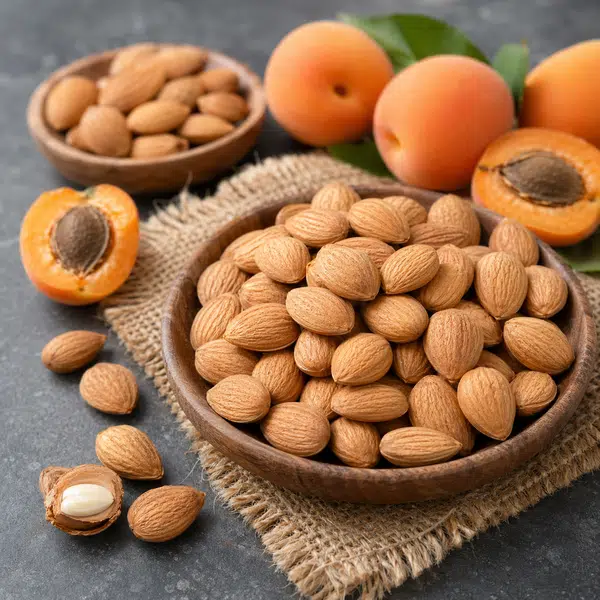
Apricot kernels can sit in several value chains at once, from ingredient use and bakery applications to niche retail and selected private label programs. Because of that, buyers usually need a more precise conversation than simply asking for a price per kilogram. They need to define the kernel type, end use, target market, acceptable appearance, pack style, certification expectations and shipment rhythm before the right commercial offer can be structured.
When discussing price drivers and commercial risk factors, the first question is not only what the current quote is, but what that quote actually includes. Sweet and bitter kernels are not the same commercial product. Organic and conventional programs do not carry the same cost structure. Bulk export and retail-ready packs do not involve the same level of packaging, operational effort or documentation. That is why a price comparison is meaningful only when the product brief, quality expectations and service scope are aligned.
Commercially, successful apricot kernel programs are usually built around timing and specification discipline. Crop size, cracking yield, raw material selection, grading losses, packaging material choices, certification profile, container planning and destination requirements all affect final competitiveness. A supplier conversation becomes much more useful when buyers share annual demand estimates, intended channel, preferred pack format and whether the requirement is for sweet or bitter, organic or conventional, retail-ready or bulk.
This article helps buyers understand which factors typically move prices, where hidden costs often appear and which risk points should be reviewed before accepting an offer. That makes it easier to compare suppliers on a real commercial basis rather than on headline price alone.