Origin-led sourcing
Each product is connected to the sourcing region that gives it commercial relevance, such as Malatya for apricots and mulberries or Aydin for figs.
The Atlas product page organizes the full organic and conventional assortment into a clear commercial structure that helps importers, distributors, brands, repackers and industrial users compare products, understand supply routes and move faster from interest to inquiry.
The portfolio is built around categories with strong Turkish sourcing relevance, especially apricots, figs, mulberries and raisins, while also covering selected complementary lines for broader category coverage. Each product is presented with practical B2B detail: origin, supply mode, technical direction, application fit and packing logic.
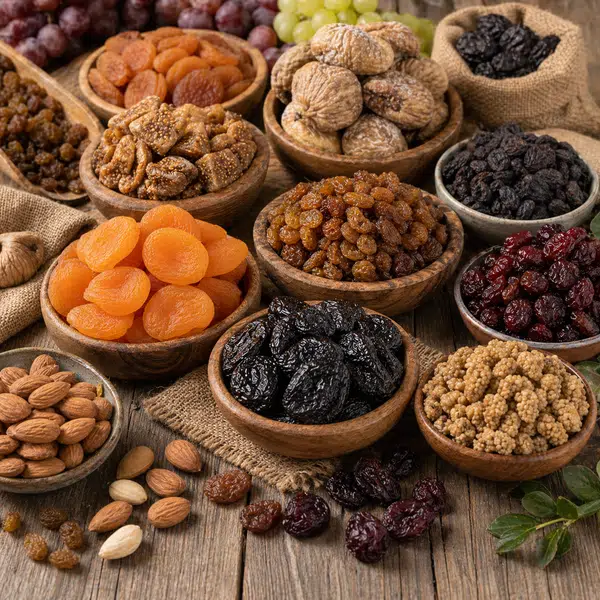
This page is designed for professional buyers rather than casual browsing. Products are grouped by organic and conventional supply route, with each listing showing the points that usually matter in real procurement: origin, product type, commercial use, specification direction and typical packing possibilities.
Each product is connected to the sourcing region that gives it commercial relevance, such as Malatya for apricots and mulberries or Aydin for figs.
Product notes explain whether an item is suited to snack retail, repacking, bakery, industrial ingredient use, foodservice or private label development.
Technical references are shown in a useful trade format while leaving room for final lot-by-lot or order-specific confirmation where needed.
Atlas serves buyers who need either certified organic programs or conventional supply with strong export practicality. The portfolio is shaped to allow both specialized sourcing and multi-product purchasing through one supplier relationship.
Designed for buyers who require certified organic sourcing, stronger traceability expectations and product stories aligned with natural, premium or health-oriented categories.
Built for mainstream retail, bulk import, repacking, industrial manufacturing and foodservice channels where consistency, supply practicality and commercial value are major priorities.
Products aligned with certified organic supply programs and commercially serious natural sourcing narratives. These lines are relevant for premium brands, organic distributors, specialty importers and food manufacturers requiring organic ingredients.
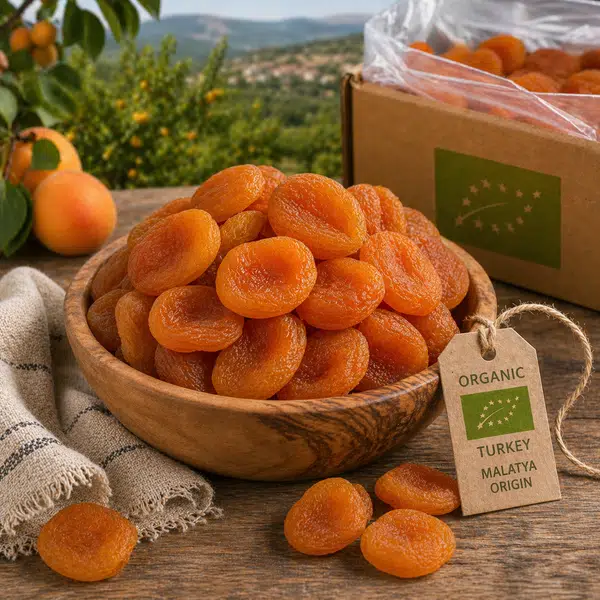
No additives, sun-dried, moisture max. 24%, aw 0.70, E. coli max. 1000 cfu/g, yeast & mold max. 10,000 cfu/g, aflatoxin B1 < 5 ppb, total aflatoxin < 10 ppb, Salmonella absent in 25g, non-GMO.
This is one of the flagship Atlas lines. It is commercially relevant for organic importers, private label projects, snack brands, repackers and ingredient users seeking authentic Malatya-origin dried apricots with strong origin recognition and premium positioning potential.
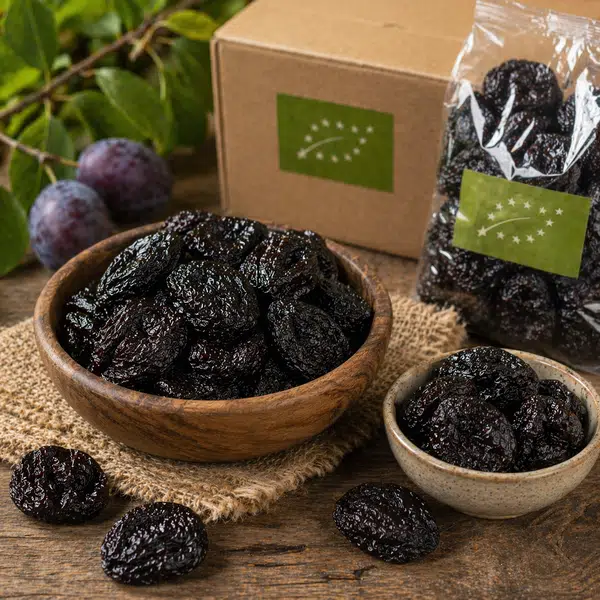
Washed and graded dried plums, no additives, moisture around 25% max depending on type, non-GMO.
Organic prunes are suitable for retail snack ranges, bakery applications, breakfast products and ingredient programs. Whole and pitted options allow the supply model to be shaped around either consumer presentation or industrial processing convenience.
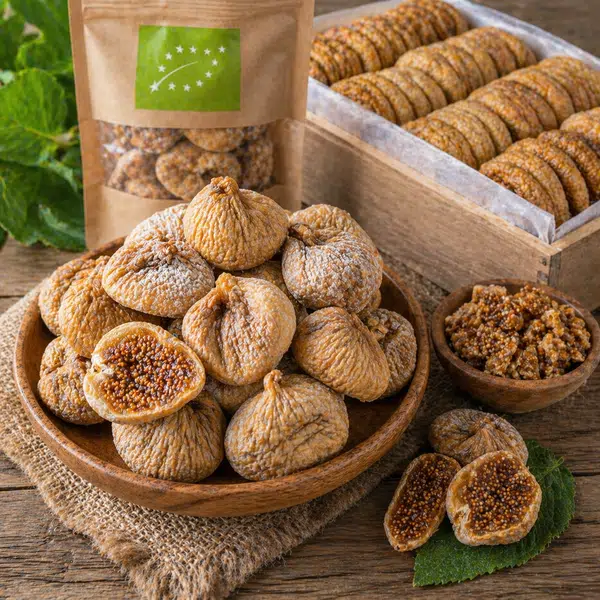
Moisture max. 24%, aw 0.70, E. coli max. 1000 cfu/g, yeast & mold max. 10,000 cfu/g, aflatoxin B1 < 5 ppb, total aflatoxin < 10 ppb, non-GMO.
Organic figs serve several market routes: whole-fruit retail sale, premium food gifting, ingredient use, diced applications and further processing. The availability of different presentations makes this line commercially useful for both branded and industrial channels.
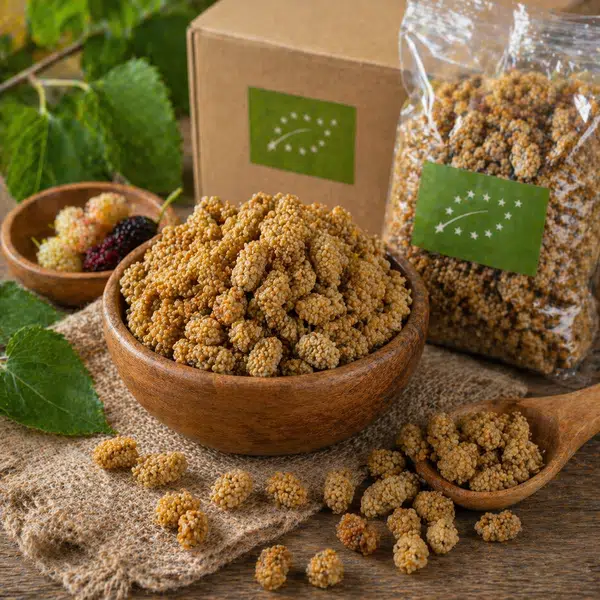
Sun-dried, selected and packed, aflatoxin B1 < 5 ppb, total aflatoxin < 10 ppb, aw 0.70, yeast & mold max. 10,000 cfu/g, non-GMO.
Organic mulberries are a distinctive specialty product for natural snack assortments, cereal blends, bakery formulations and premium dried fruit mixes. Their commercial strength lies in differentiation and strong natural-product appeal.
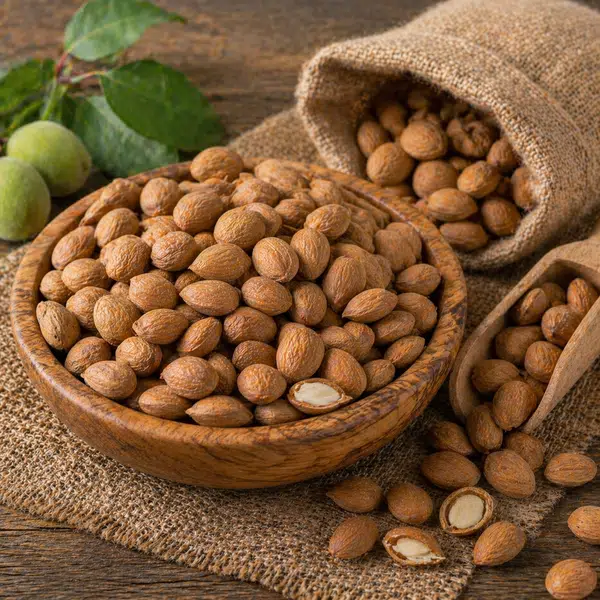
Selected kernels for ingredient and processing channels, subject to application-specific specification.
This product is mainly relevant to ingredient buyers and processing-oriented customers. Because kernel requirements can differ significantly depending on use case, commercial discussion normally starts with the exact application, format preference and intended market.
Products suited to bulk import, repacking, retail, foodservice and industrial manufacturing channels. These lines are structured for buyers looking for commercially efficient dried fruit supply with practical export formats and consistent category relevance.
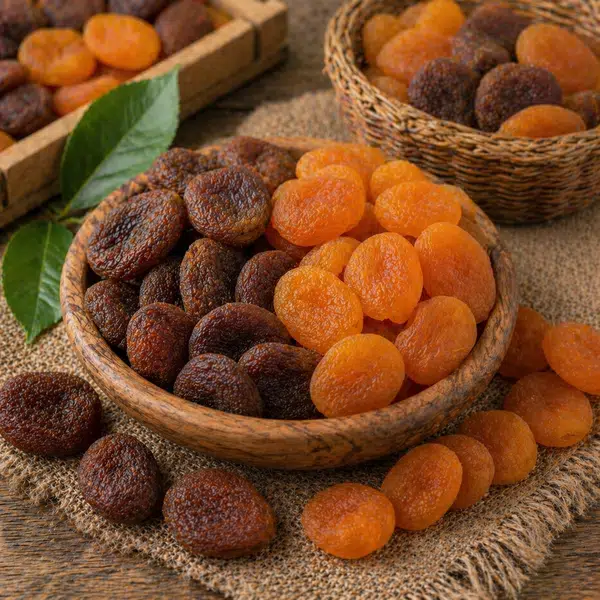
Natural sun-dried options without additives and standard sulphured options available by market requirement.
Apricots remain one of the most commercially important product families in the Atlas portfolio. Natural sun-dried lines are especially suited to premium and natural categories, while sulphured presentations can serve markets that prioritize brighter visual appearance and specific retail expectations.
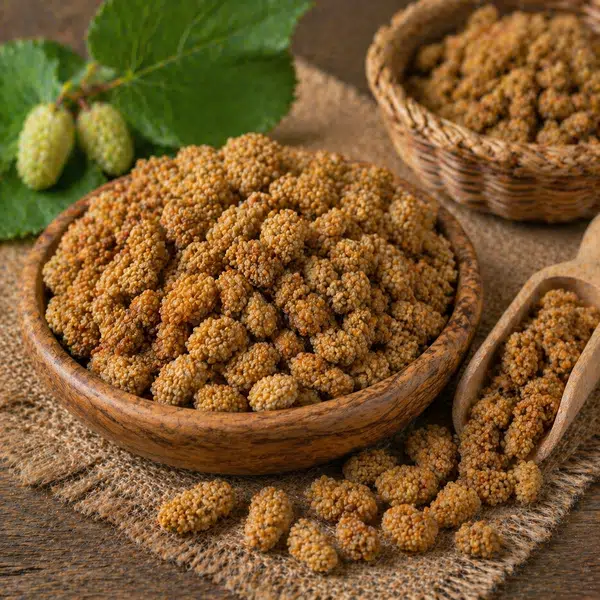
Sun-dried and selected, moisture and microbiological limits supplied per batch and agreed spec.
This line suits specialty dried fruit ranges, snack mixes, cereal applications and bakery projects. It is particularly useful for buyers seeking distinctive products that complement more mainstream volume lines such as apricots, figs and raisins.
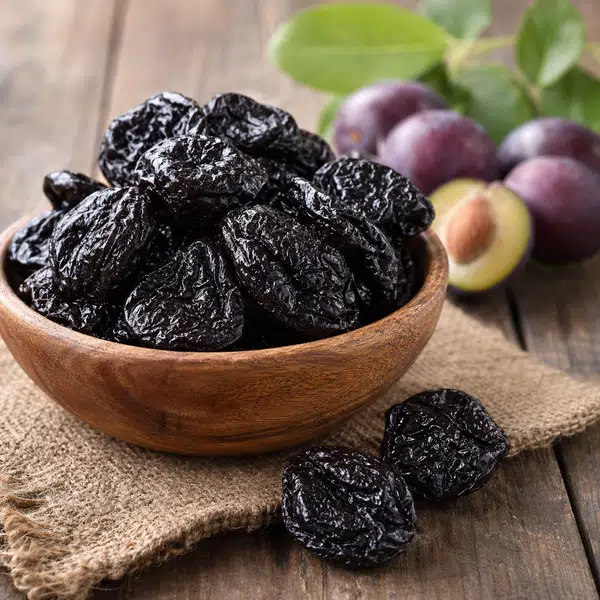
No additive profiles available on request; natural washed, sorted and packed options.
Conventional prune programs are relevant for both retail and processing channels. The product can be positioned for everyday dried fruit use, breakfast ranges, bakery applications and ingredient-based manufacturing depending on format and pack style.
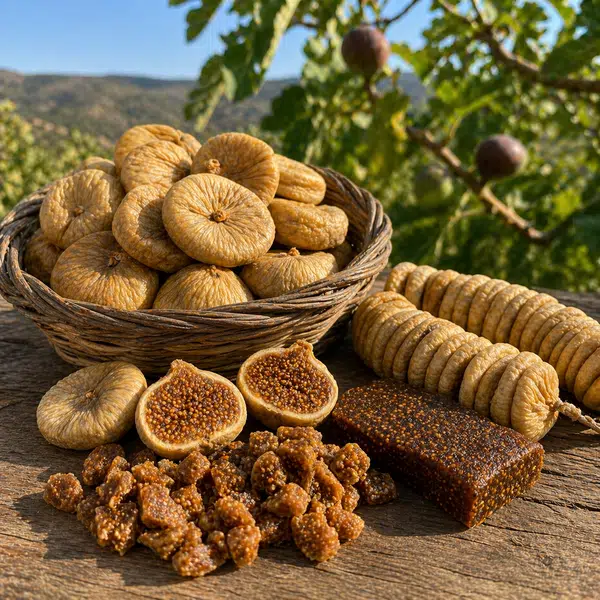
Processed in graded forms such as Lerida, Garland and diced; moisture max. 24% typical in current specification.
Dried figs are one of the most versatile categories in the portfolio because they can serve premium retail, bulk import, ingredient supply and further processed applications. Buyers can structure the line around whole-fruit presentation or more functional industrial use such as diced and paste forms.
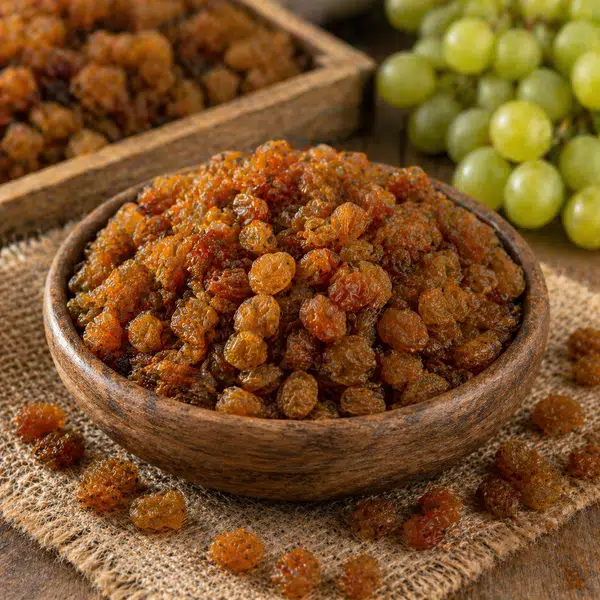
Seedless grapes, naturally dried, moisture max. 18%, aflatoxin B1 < 5 ppb, total aflatoxin < 10 ppb, Salmonella absent, non-GMO.
Sultanas are a core volume product for bakery, cereal, snack, confectionery and repacking channels. Their commercial strength lies in everyday versatility, wide consumer familiarity and strong compatibility with both industrial and retail programs.
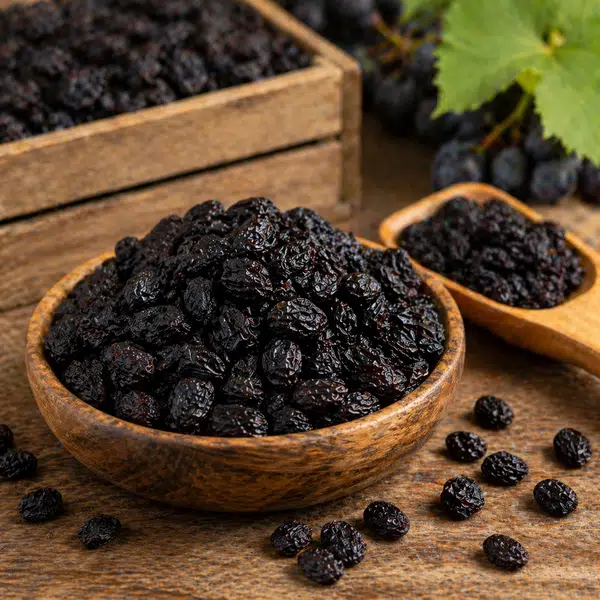
Naturally dried black raisins, moisture max. 18%, non-GMO, standard microbiological and contaminant controls.
Black raisins offer visual distinction and a slightly more premium or specialty positioning compared with standard sultanas. They are suitable for snack packs, fruit blends, bakery inclusions and value-added ingredient programs.
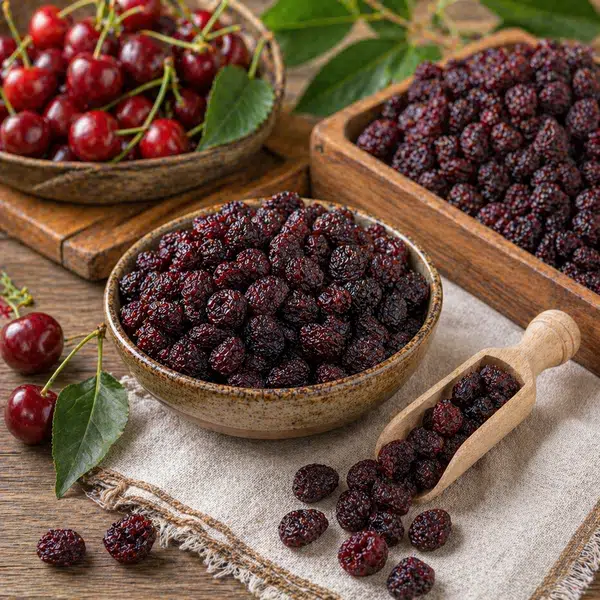
Moisture max. 15% in current specification, washed, sorted, packed, non-GMO.
Sour cherries are commercially attractive for buyers seeking a sharper flavor profile and greater application diversity in bakery, premium snack mixes, chocolate products and cereal blends.
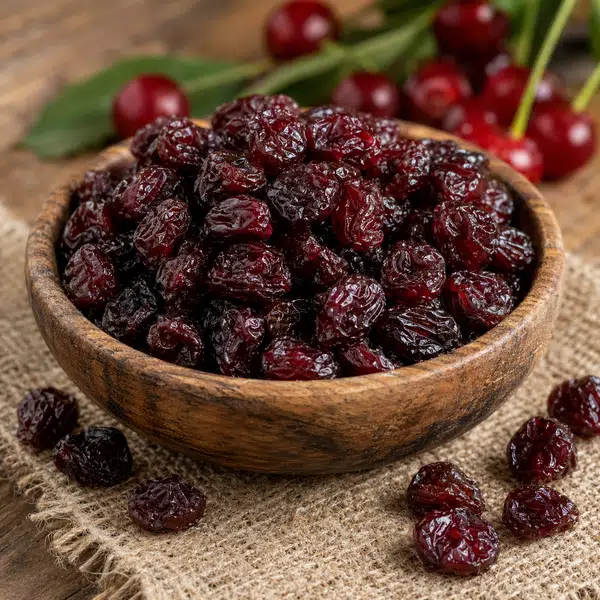
Moisture max. 15% in current specification, washed, sorted, packed, non-GMO.
Dried cherries work well in premium snack concepts, breakfast mixes, bakery fillings and gourmet dried fruit assortments. They are a useful value-added line for buyers who want to expand beyond standard commodity categories.
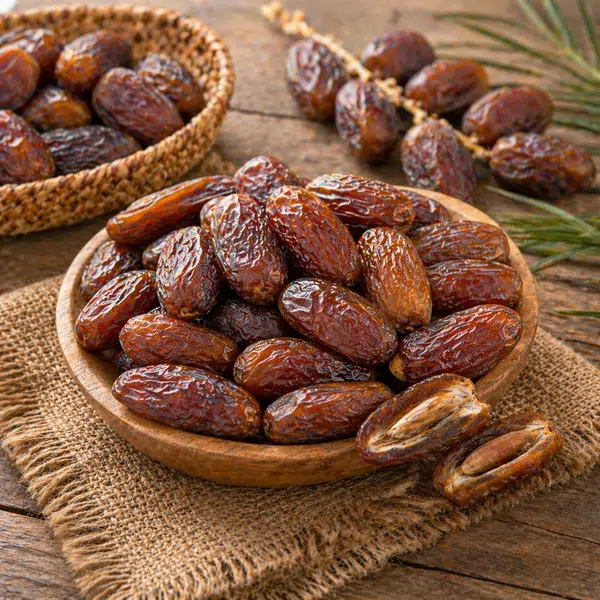
Deglet Nour supply programs with moisture max. 20% in current specification, washed, sorted and packed.
Although not Turkish origin, dates extend the commercial usefulness of the Atlas portfolio by allowing buyers to consolidate an additional core dried fruit category through the same supplier relationship. This is relevant for importers and distributors wanting a broader shelf or ingredient offering.
Final packing structure depends on product, destination market, target sales channel and handling requirements. Atlas discusses packing as part of the product offer rather than as a separate afterthought.
Cartons, bags, poly-lined cases and industrial formats for importers, packers, repackers and processors. This route is often preferred for larger-volume programs and buyer-managed downstream packing.
Private label pouches, trays and shelf-oriented formats can be discussed for selected programs where order volume, packaging scope and destination labeling requirements support the project.
Diced, paste, bakery-grade and industrial raw material options can be structured around application needs such as bars, cereals, confectionery, baked goods and blended snack manufacturing.
Buyers usually define packing based on net weight, inner liner, carton strength, pallet configuration, route length, warehouse handling, retail presentation and whether the product is intended for direct sale or further repacking. A well-matched pack format improves both product protection and logistics efficiency.
Different buyer groups use the same portfolio in different ways. The page is built to help each group quickly identify whether Atlas can support their commercial model.
Build recurring supply programs across one or several product lines with a Turkey-centered sourcing partner.
Source a commercially balanced assortment for resale across wholesale, retail and foodservice channels.
Evaluate organic, natural and value-added products for packaged retail programs and premium category development.
Review which items are most suitable for ingredient use, further processing and consistent production input.
Atlas is not trying to list every possible dried fruit under the sun. The portfolio is intentionally focused on lines with real commercial usefulness, strong origin logic and export practicality. That makes it easier for buyers to build a relevant assortment without unnecessary complexity.
Apricots, figs, mulberries and raisins are closely tied to Turkish sourcing strength, which helps reinforce buyer confidence and product positioning.
Mainstream volume categories are supported by specialty lines such as mulberries, cherries and kernels, allowing buyers to broaden range without diluting sourcing coherence.
The portfolio is built for quotations, programs, private label discussions and industrial applications, not just for visual browsing.
Tell us the product, organic or conventional preference, estimated volume, target market and preferred packing format so we can respond with a commercially relevant offer.