Route and transit profile
Transit duration, season, destination climate and any expected port or inland delays should be considered early because they influence the right packing and loading strategy.
A practical logistics and trade guide for dried mulberries covering container loading, transit protection, palletization, warehouse handling and storage conditions that help preserve commercial quality from origin to final use.
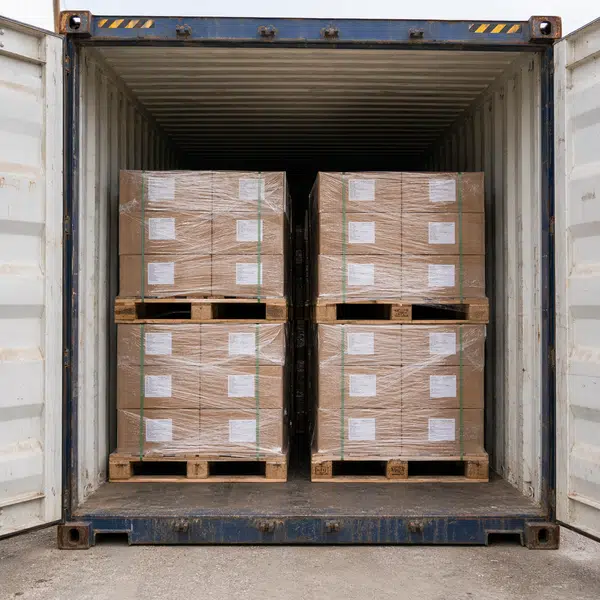
For dried mulberries, the delivered result depends not only on product quality at packing but also on what happens during loading, transit and storage.
Dried mulberries may leave origin in acceptable condition but still lose commercial value if logistics are not managed correctly. Heat exposure, humidity, poor pallet stability, weak outer packaging, rough handling or unsuitable warehouse conditions can all affect the final delivered condition. That is why serious buyers do not treat logistics as a separate topic from quality. In practice, logistics is part of quality assurance.
This is especially important for products that move through export containers, multiple handling points and mixed climate conditions before reaching the importer, distributor, repacker or food manufacturer. A dried mulberry shipment may face container yard delays, extended transit times, inland transport movements and warehouse storage periods after arrival. Each stage affects the commercial outcome if the product and pack format are not matched to the route.
For buyers, the key issue is not simply whether the container is loaded. It is whether the product arrives in a condition consistent with the approved specification. That depends on practical matters such as pack integrity, pallet discipline, clean and dry loading conditions, sensible stacking, protection against compression and a storage environment that does not accelerate quality deterioration after receipt.
As a result, container loading, transit and storage advice should be part of the commercial discussion from the start. Buyers who define their route, packing expectations, storage conditions and shipment rhythm more clearly usually face fewer surprises after arrival and manage repeat programs more efficiently.
The best logistics results come when shipment conditions are considered before loading, not after the goods are already on the water.
Transit duration, season, destination climate and any expected port or inland delays should be considered early because they influence the right packing and loading strategy.
The selected bag, liner, carton and pallet format should match the expected transport conditions and the way the buyer will store and handle the product after arrival.
Storage planning matters just as much as shipment planning. Buyers should know where and how the product will be stored before containers are dispatched.
Shipment timing should match receiving capacity and stock rotation. Even a well-loaded container can become a problem if unloading or warehouse placement is delayed unnecessarily.
Good loading practice protects both the product and the packaging system through export handling and ocean transit.
The container should be clean, dry and suitable for food cargo. Residual odor, moisture or visible contamination can create avoidable risks for packed dried fruit.
Pallets should be arranged to support stable loading, minimize collapse risk and reduce movement during transit. Proper pallet condition and stacking logic matter from the first row onward.
Weight should be distributed sensibly across the container floor to reduce handling problems and avoid unnecessary stress on cartons during transport.
Cartons and consumer packs should not be stacked in a way that creates avoidable crush pressure. Loading efficiency is important, but not at the cost of pack integrity.
Pallet stabilization helps maintain stacking integrity during handling, especially when the shipment will pass through multiple transfer points.
Bulk cartons, foodservice packs and retail-ready units may need different loading logic. The container should be planned around the actual pack structure, not treated as a generic dry cargo load.
Most shipment issues are not dramatic failures. They are gradual condition losses caused by predictable logistics stress.
Transit risk for dried mulberries is usually linked to temperature exposure, humidity variation, rough handling, compression and excessive storage time before final unloading. Even when the product remains safe and commercially usable, these conditions can reduce visual quality, affect texture and weaken the final presentation of the shipment.
Longer routes, seasonal heat and congested logistics periods can increase pressure on the packaging system. A shipment that moves quickly in mild conditions may tolerate a simpler structure than a shipment expected to face warmer climates or delayed inland delivery. This is why the route and timing should be considered part of the packing decision.
Transit risk is also commercial risk. If a product arrives with crushed cartons, unstable retail packs or condition changes caused by unsuitable storage during movement, the buyer faces extra handling cost, slower receipt, possible repacking effort and reduced customer confidence. Strong logistics planning helps reduce that exposure.
The inner product quality is only one part of the export result. Outer protection and pallet logic heavily influence the final condition on arrival.
The outer carton must withstand stacking, loading, transport vibration and warehouse handling without undermining the pack inside.
Inner liners support product protection and help preserve the intended commercial condition during longer transit or variable climate exposure.
The pallet format should fit both origin loading and destination warehouse handling. Poor pallet compatibility can create practical problems after arrival.
Correct stacking is not only about maximizing quantity. It is about preserving carton shape, reducing movement and helping the importer unload and store the cargo efficiently.
Good inbound handling and storage discipline are essential if the buyer wants the product to retain its approved commercial condition.
After arrival, dried mulberries should be moved into a clean, dry and suitable storage environment as efficiently as practical. The most important principle is to avoid exposing packed product to unnecessary humidity, direct heat sources or prolonged uncontrolled warehouse conditions. Shipment quality can deteriorate after arrival if the goods remain too long in unsuitable receiving areas or if stock rotation is weak.
Storage planning should reflect the pack format and turnover pattern. Retail-ready units may require more careful handling to preserve presentation, while bulk cartons may need stronger focus on pallet stability and orderly lot control. In both cases, good stock rotation and clear batch identification help maintain continuity and reduce commercial loss.
Buyers should also think beyond the first delivery. If dried mulberries are part of a repeated supply program, warehouse practice should support repeatability. Consistent storage conditions, careful pallet movement and practical inventory discipline all improve the stability of ongoing commercial programs.
The same dried mulberries may move through different logistics models depending on the channel.
Retail packs require stronger attention to outer carton protection, shelf-ready pack integrity and visual presentation on arrival because damage is immediately visible to the end customer.
Foodservice buyers usually prioritize practical unit handling, efficient receiving and workable storage rotation in professional kitchens, distribution centers or catering environments.
Industrial users may place more emphasis on pallet efficiency, bulk handling practicality and smooth receiving for downstream repacking or production use.
Private label programs often need both strong presentation protection and disciplined documentation, making transit control especially important for commercial acceptance.
Good logistics is not only about one successful shipment. It supports smoother repeat orders and better long-term commercial performance.
For annual or recurring dried mulberry programs, logistics consistency becomes part of supplier performance. Buyers do not only want product that meets specification at origin. They want shipments that arrive in reliable condition, can be received efficiently and can move into normal storage without creating extra operational work.
When loading patterns, pallet logic and storage practices are aligned, repeat programs become easier to manage. Quotations become more comparable, receiving teams know what to expect and fewer avoidable issues appear after unloading. Over time, this strengthens commercial trust and reduces the hidden costs of inconsistent handling.
This is why a buyer should treat logistics advice as part of program building, especially when shipments are regular, markets are demanding or pack presentation is commercially important.
The same operational principles apply, but organic shipments often require stronger discipline in segregation and document continuity.
Organic dried mulberry programs often move through premium retail, natural food and specialist distribution channels where product identity, clean presentation and documentation continuity are commercially important. In these cases, loading, pallet identification, label accuracy and post-arrival storage discipline may carry added importance because the program supports both product quality and certification confidence.
Conventional programs may be more flexible in some channels, especially where the main focus is practical supply continuity for repacking, foodservice or industrial use. Even so, the same core logistics principles remain important: clean loading conditions, pack protection, pallet stability and sensible storage after arrival.
Where buyers handle both organic and conventional goods, it is good commercial practice to keep the programs operationally organized so labeling, lot control and stock handling remain clear and consistent.
Most logistics problems can be reduced when buyers connect packaging, route planning and warehouse conditions early in the transaction.
Delivered quality depends on both product specification and physical shipment conditions. These should be discussed together.
A pack that works on a short route may not be the right choice for longer transit or more difficult climate exposure.
Weak cartons can damage otherwise acceptable product and create unnecessary receiving problems at destination.
Maximum loading efficiency is not always the best commercial choice if it leads to crushed cartons or unstable packs.
Leaving goods too long in poor receiving conditions can reduce the benefits of careful origin loading.
Even good shipments can lose commercial value if warehouse rotation, lot control and handling discipline are poor after receipt.
A clear logistics brief helps Atlas align the shipment structure with the route and the buyer’s operational reality.
Share destination, expected transit pattern and any known seasonal or climate-related concerns that may affect the shipment.
Confirm carton, inner bag, pallet format and whether the product is retail-ready, foodservice-packed or bulk packed.
State how the goods will be unloaded, received and stored so the shipment design matches the destination operation.
Clarify whether the shipment is a trial order, repeat business, annual call-off or private label program requiring stricter presentation control.
Confirm whether the destination has suitable dry storage and practical stock rotation conditions for the incoming goods.
Share any requirements related to organic handling, labeling, lot identification or customer-specific receipt expectations.
These points help buyers protect dried mulberry quality from origin loading through destination storage.
Loading discipline, transit conditions and storage management all affect whether the product arrives in commercially acceptable condition.
Carton strength, pallet stability and sensible stacking are central to protecting the shipment during movement.
Season, distance, destination conditions and expected delays should influence pack and loading decisions.
Good receiving, dry storage and proper stock rotation help preserve quality and strengthen recurring supply programs.
A short checklist helps buyers and suppliers move faster toward a practical shipment and storage plan.
Confirm route, destination, estimated transit logic and any timing concerns that affect shipment protection.
Share carton, liner, pallet and unit format expectations so the goods are protected appropriately.
State whether the cargo is for retail, foodservice, repacking or industrial use, since this affects presentation sensitivity.
Clarify receiving and storage conditions so post-arrival handling supports the intended product quality.
Indicate whether the shipment is a test, repeat order or longer annual program requiring more structured logistics continuity.
Confirm any organic segregation, label identification or customer receipt requirements early in the process.
Short answers help buyers review the logistics topic quickly before shipment confirmation.
Buyers should first clarify end use, target market, grade, pack format, shipment route, storage expectation and whether the requirement is organic or conventional.
Because delivered quality does not depend only on product specification. It also depends on packaging protection, pallet stability, loading discipline, transit conditions and storage management after arrival.
Yes. The same logistics principles can support both organic and conventional dried mulberry programs when product segregation, documentation, pack integrity and storage discipline are managed correctly.
The main points are correct pack format, pallet stability, container cleanliness, protection against moisture and heat exposure, practical loading patterns, reasonable transit planning and disciplined storage after receipt.
Atlas supports buyers who want dried mulberry shipments planned around real route, handling and storage conditions.
If your project involves dried mulberries for export, retail distribution, foodservice, repacking or private label, the most useful next step is to share the destination, pack format, expected shipment rhythm, storage conditions and approximate volume. That allows Atlas to structure the shipment discussion around practical loading logic, suitable protection and a more reliable delivered result.
Whether the requirement is for a first trial shipment or a recurring annual program, a clear logistics brief usually leads to better quotation accuracy, stronger cargo protection and smoother commercial continuity.